Five ways HP’s workstations are rewriting what's possible in AEC
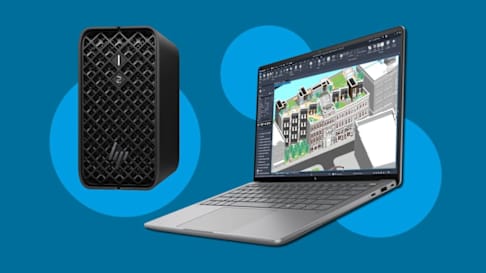
See how AEC Magazine explains the shift in mainstream AEC workstations—where integrated graphics, unified memory, thermal design, and compact form factors change what mobile and desktop systems can support.
Learn about what becomes possible when memory architecture stops being a constraint — fewer crashes, larger models, and a real choice between desktop and mobile that doesn’t cost you performance either way.
Integrated graphics for professional AEC work: See why integrated graphics are no longer limited to lightweight tasks, based on CAD, BIM, and entry-level visualization re...

Unified memory for larger scenes: Understand how a shared memory architecture can help address fixed VRAM limits in visualization and AI rendering workflows.
Form factor without major compromise: Learn how shared architecture across mobile and compact desktop systems can give IT teams more flexibility when matching devices to where...

Anchor: AEC-Workflows
Integrated graphics comes of age
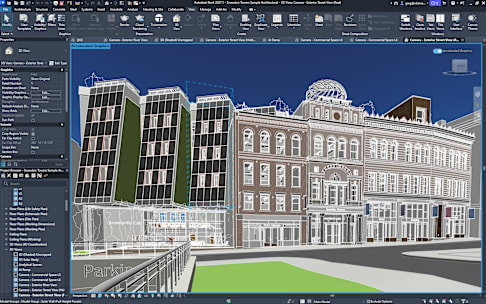
For the core BIM and entry-level visualization work that defines most AEC practices, the integrated GPU is no longer a concession. It is a credible professional tool.
Large datasets: memory changes everything
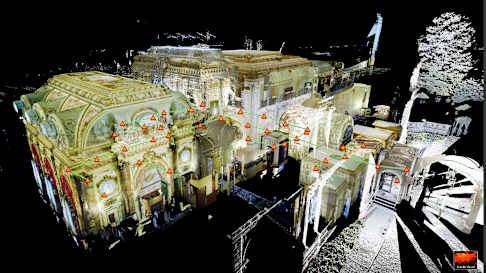
Testing confirms that some discrete fixed-memory GPUs can handle visualization scenes that cause other GPUs to falter, even at higher levels of memory access. However, for large, complex models, a high-end discrete GPU workstation will still deliver a more complete experience.
Local AI: keeping sensitive data where it belongs
AI adoption in AEC is accelerating, but cloud-based tools can raise data security and governance concerns for sensitive project files. The article highlights how running AI workloads locally can help firms keep project data within their network while supporting larger models and autonomous AI workflows.
The 14-inch mobile workstation reconsidered
A 14-inch mobile workstation no longer has to mean limited performance for professional AEC work.The article highlights how compact systems can support intensive workflows while giving users a workstation that is practical for mobile use.
Desktop and laptop, same DNA
Desktop and mobile workstation choices no longer have to force a trade-off between performance and flexibility. The article shows how shared architecture can let similar files and workflows run across both form factors with comparable results.
Anchor: Workstation-Selection
See what changes when memory, graphics, and form factor work differently